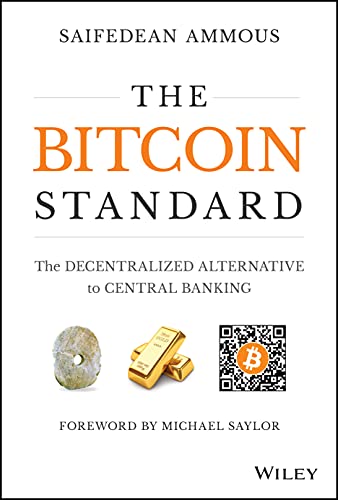
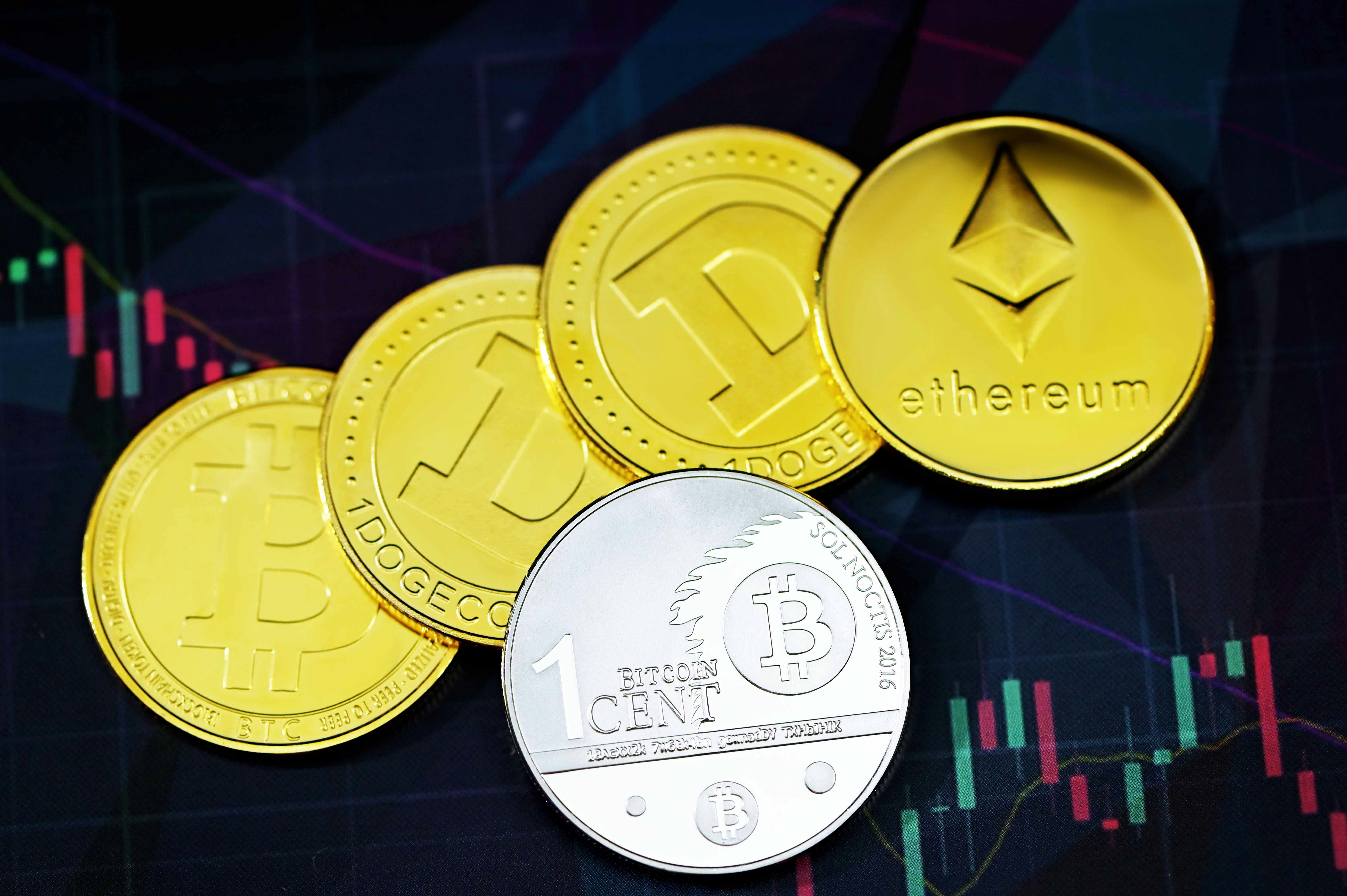
Cryptocurrency represents a revolutionary advancement in the world of finance, operating as a digital or virtual form of currency. Unlike traditional currencies, which are issued and regulated by a central authority, cryptocurrencies function on decentralized systems, predominantly utilizing blockchain technology. This fundamental aspect distinguishes cryptocurrencies from conventional money, providing a new paradigm for financial transactions.
The underlying technology of cryptocurrency, blockchain, is essentially a public ledger that records all transactions across a network of computers. Each block within the chain contains a specific number of transactions, and once a block is filled, it is cryptographically sealed and linked to the previous block, creating a continuous chain. This structure enhances security and ensures transparency, as all participants in the network can access the transaction history.
Cryptocurrencies offer several key features that set them apart from traditional currencies. One of the most significant attributes is decentralization, which mitigates the risks associated with a single point of failure typically present in centralized financial systems. Additionally, many cryptocurrencies provide anonymity, allowing users to conduct transactions without revealing personal identities, which is particularly appealing to those valuing privacy. Furthermore, the security provided by cryptography underpins the integrity of transactions and user accounts, making fraudulent activities exceedingly challenging.
In essence, the emergence of cryptocurrency marks a paradigm shift in financial interactions, offering unprecedented benefits and challenges. As individuals and institutions increasingly adopt this digital currency, understanding its operation, benefits, and implications becomes essential for anyone interested in the evolving financial landscape.
The History and Evolution of Cryptocurrency
The concept of cryptocurrency emerged in the late 2000s, with the introduction of Bitcoin in 2009 by an individual or group under the pseudonym Satoshi Nakamoto. Bitcoin, the first decentralized digital currency, was created as a response to the global financial crisis, aiming to provide a peer-to-peer payment system that would operate independently of centralized financial institutions. Nakamoto’s whitepaper outlined a revolutionary framework for digital transactions that utilized blockchain technology, establishing the foundation for later cryptocurrencies.
The following years saw the initial adoption of Bitcoin and the burgeoning interest in its underlying technology. The release of the first altcoin, Litecoin, in 2011 marked the beginning of a trend in which alternative cryptocurrencies began to gain traction. These altcoins were designed to address certain limitations or issues present in Bitcoin, either by improving transaction speed, enhancing privacy, or providing new functionalities. Notable examples including Ethereum, launched in 2015, introduced smart contract capabilities, enabling developers to build decentralized applications on its platform.
As the cryptocurrency market developed, significant milestones emerged, such as the first recorded cryptocurrency exchange in 2010, allowing for greater accessibility and convenience in trading digital currencies. The rise of initial coin offerings (ICOs) in 2017 created new avenues for startups to raise funds through cryptocurrency sales. Moreover, heightened media coverage and growing investor interest led to substantial price volatility, with Bitcoin reaching all-time highs, attracting attention from both individuals and institutional investors.
In recent years, the adoption of cryptocurrencies has expanded beyond speculative investments, with businesses increasingly accepting digital currencies as methods of payment. The growing acceptance signifies a shift towards integrated financial ecosystems, where cryptocurrencies may play a pivotal role in the future of commerce and finance.
How to Buy and Store Cryptocurrency
Buying cryptocurrency can seem daunting to newcomers, but it is a straightforward process that can be broken down into manageable steps. The first step is to select a cryptocurrency exchange where you can purchase various cryptocurrencies. Popular platforms like Coinbase, Binance, and Kraken allow users to trade fiat currency for a multitude of digital coins. Before committing to any platform, it is wise to research its fees, security measures, and trading options to ensure that it aligns with your needs.
After selecting an exchange, you will need to create an account that typically involves providing personal information and verifying your identity. Once your account is established, you can fund it through bank transfers or credit/debit cards, depending on the platform’s accepted methods. With your account funded, you can choose the cryptocurrency you wish to purchase and place an order, opting either for a market or limit order based on your trading strategy.
Once you have acquired your cryptocurrency, the next critical step is securing it through the use of digital wallets. There are two main types of wallets: hot wallets and cold wallets. Hot wallets are connected to the internet and are more convenient for frequent trading but may pose security risks, as they are more vulnerable to hacking. Meanwhile, cold wallets, also known as hardware or paper wallets, store your assets offline, significantly enhancing security against potential theft.
When handling cryptocurrencies, incorporating best practices for security is paramount. This includes enabling two-factor authentication on your accounts, keeping your private keys secure, and regularly updating your security measures. By following these guidelines for buying and storing cryptocurrency, you can help ensure the safety and longevity of your digital assets.
The Future of Cryptocurrency and Its Impact on Finance
The future of cryptocurrency holds great potential, but it is accompanied by significant challenges that must be addressed. One of the primary obstacles is regulatory uncertainty. Governments across the world are still grappling with how to regulate cryptocurrencies effectively. Striking a balance between fostering innovation and ensuring consumer protection is paramount. As regulators become more acquainted with the technology, we may see more comprehensive frameworks emerge, outlining specific guidelines for cryptocurrency transactions and exchanges.
Market volatility remains a major concern for investors and institutions alike. The allure of high returns often attracts new participants into the cryptocurrency market; however, it also leads to increased instability. As the market matures, the hope is that volatility may decrease, leading to a more stable financial landscape. Enhanced analytical tools and practices could aid in predicting market movements, facilitating smarter investment decisions.
Furthermore, technological advancements are on the horizon, particularly in the realm of smart contracts and decentralized finance (DeFi). Smart contracts can automate and enforce agreements without the need for intermediaries, streamlining processes and reducing costs associated with traditional financial systems. DeFi has the potential to democratize access to financial services, allowing individuals to borrow, lend, or trade assets in a decentralized manner, ultimately increasing financial inclusion.
As cryptocurrencies evolve, their influence may reshape traditional banking systems. Blockchain technology’s transparency and security features could enhance trust in financial transactions and eliminate the need for centralized institutions. This shift could lead to a paradigm where individuals have greater control over their financial assets and privacy. In summary, the trajectory of cryptocurrency will significantly impact global finance, fostering new economic interactions and opportunities. The key lies in embracing innovation while mitigating the associated risks to create an adaptive financial ecosystem in the years to come.
About Ms. Nova
mediumvioletred-hummingbird-192627.hostingersite.com is an affiliate and online marketplace connecting customers with trusted products from top brands in the USA and around the world. We focus on quality, reliability, and value — making global shopping simple and secure.